Published by Zachary Lim
What is a hoarding board?
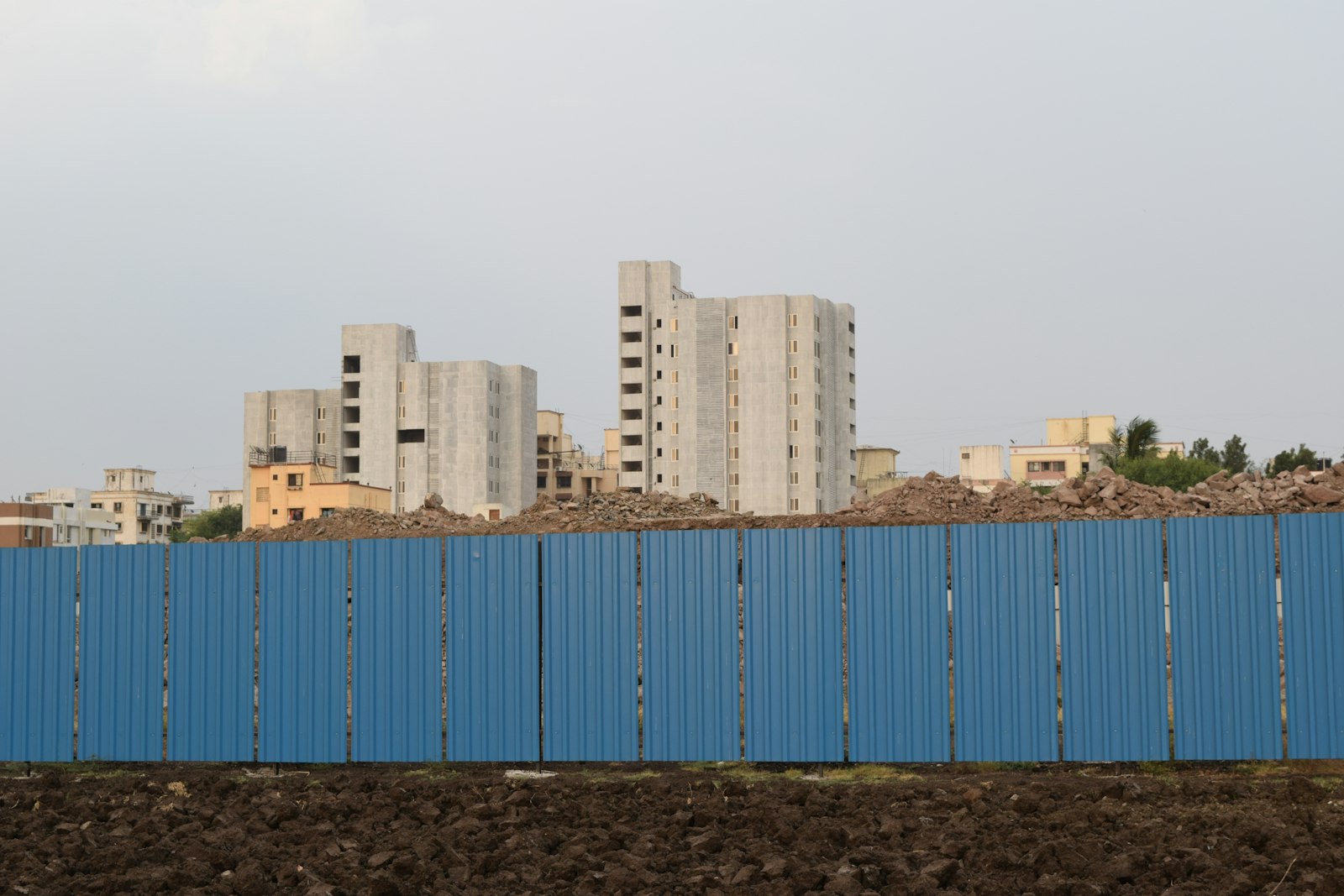
A hoarding board is the solid temporary wall built around the perimeter of a construction site — required in the first place to keep the public safely away from the works, shield the site from view, and secure it after hours. Because that wall has to exist for the length of the project anyway, its outward-facing surface is effectively free real estate: printed with artwork, it becomes one continuous, hard-to-miss advertising panel running the full length of the site instead of a bare corrugated fence.
Benefits for advertisers
The biggest advantage is duration: a hoarding wrap typically stays up for as long as the construction project runs, often many months, which is a far longer continuous placement than most billboard bookings. Development sites also tend to sit in prime, high-growth locations — exactly where a property developer, or any brand wanting visibility in an up-and-coming area, wants to be seen. And because production is mostly a one-time cost rather than an ongoing media rental, the cost per day of exposure over a long project can work out lower than a comparable billboard booking.
What to check before booking
Before committing artwork to a hoarding wall, confirm how long it's actually staying up — a project that finishes early cuts your exposure short, so ask the developer or contractor for a realistic timeline rather than the original construction schedule. Check the approvals needed too: hoarding graphics generally need the same kind of local council sign-off as a billboard, and in Kuala Lumpur that includes DBP review of any Bahasa Melayu wording. Finally, walk or drive past the actual site at different times of day — a hoarding wall facing a quiet side street won't deliver the same visibility as one facing the main road.