Published by Zachary Lim
A tougher launch market makes visibility count more
Malaysia's property market recorded RM232.30 billion in transactions across over 420,000 deals in 2024 — but new launch sales fell 45% in the second half of that year, and around 60% of loan applications in the RM300,000–500,000 range were rejected. In a market where financing is harder and launches are competing harder for fewer qualified buyers, a developer can't just list a project online and wait. The site itself has to work as a landmark — seen, recognised and understood by people who haven't searched for it yet.
The hoarding wall does more than block the view
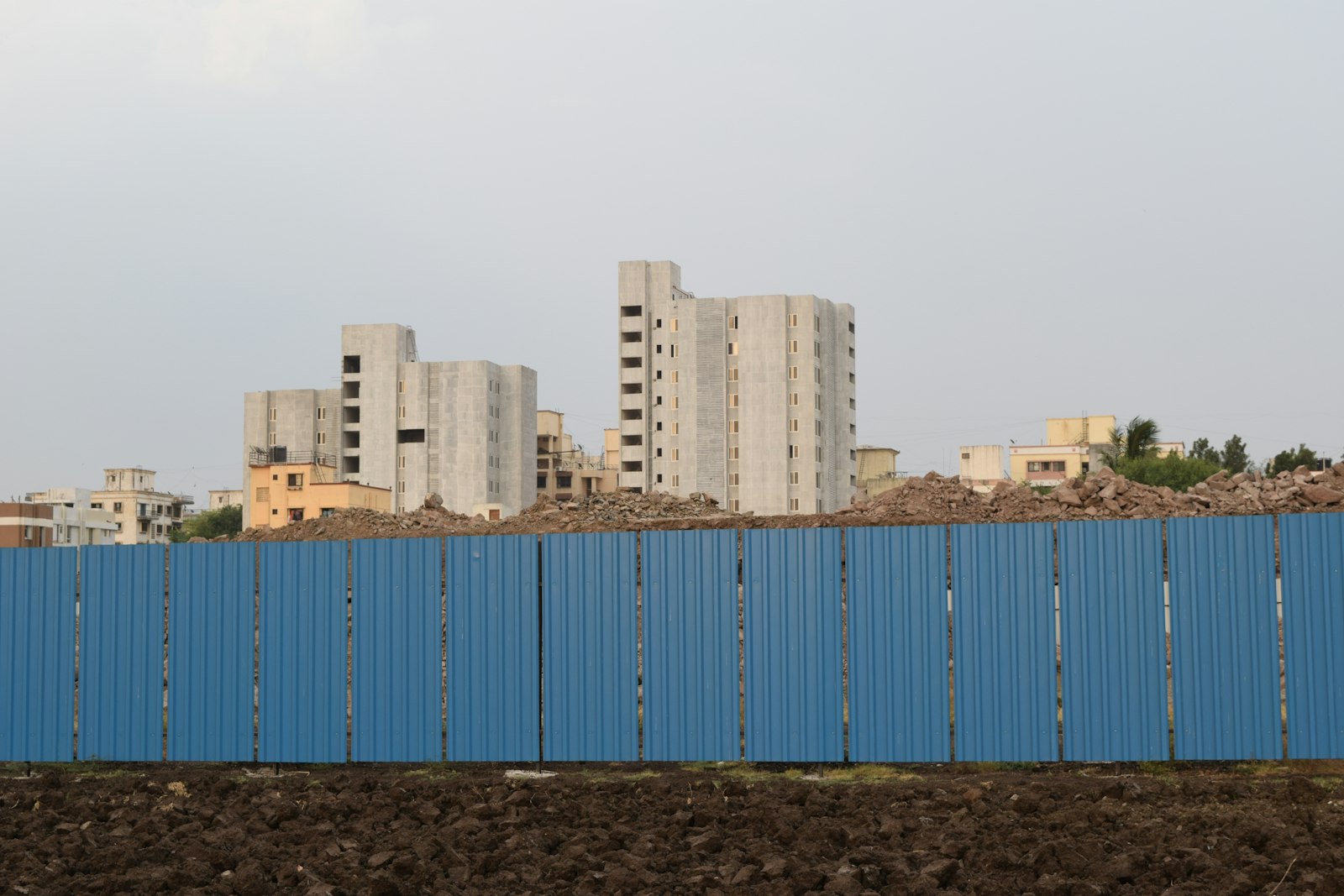
Every construction site needs a hoarding wall regardless of whether it's used for advertising — so wrapping it in artwork costs little beyond the print itself, for exposure that runs the length of the project. For a property launch specifically, that wall becomes a pre-launch touchpoint: the brand is doing most of the qualifying work before a buyer ever steps into the sales gallery. That only works if the artwork is legible at real distance — logos and project names have to hold up at roughly 30 metres, not just look sharp on a screen.
What the artwork legally has to include
Property hoarding in Malaysia isn't just a design exercise — every hoarding must display the APDL number (the project's Advertising Permit and Developer's Licence under the Housing Development Act), the project name, the developer's licence number, land tenure, and the estimated completion date. It's also worth testing the project name out loud in the other languages your audience actually speaks before printing — an acronym that reads fine in English can land badly in Hokkien or another dialect, and that's a mistake you only get to make once on a wall that stays up for months.
How we handle this for clients
This sits squarely inside our hoarding board service: we check the artwork fits the wall and the compliance requirements before it's printed, handle the council approval alongside the developer's own APDL paperwork, and track the actual construction timeline so the wrap stays up for the exposure you're paying for. If you already have a designer on the project, we'll work from their artwork; if you don't, design is part of our A to Z service.