Published by Zachary Lim
Reach and audience
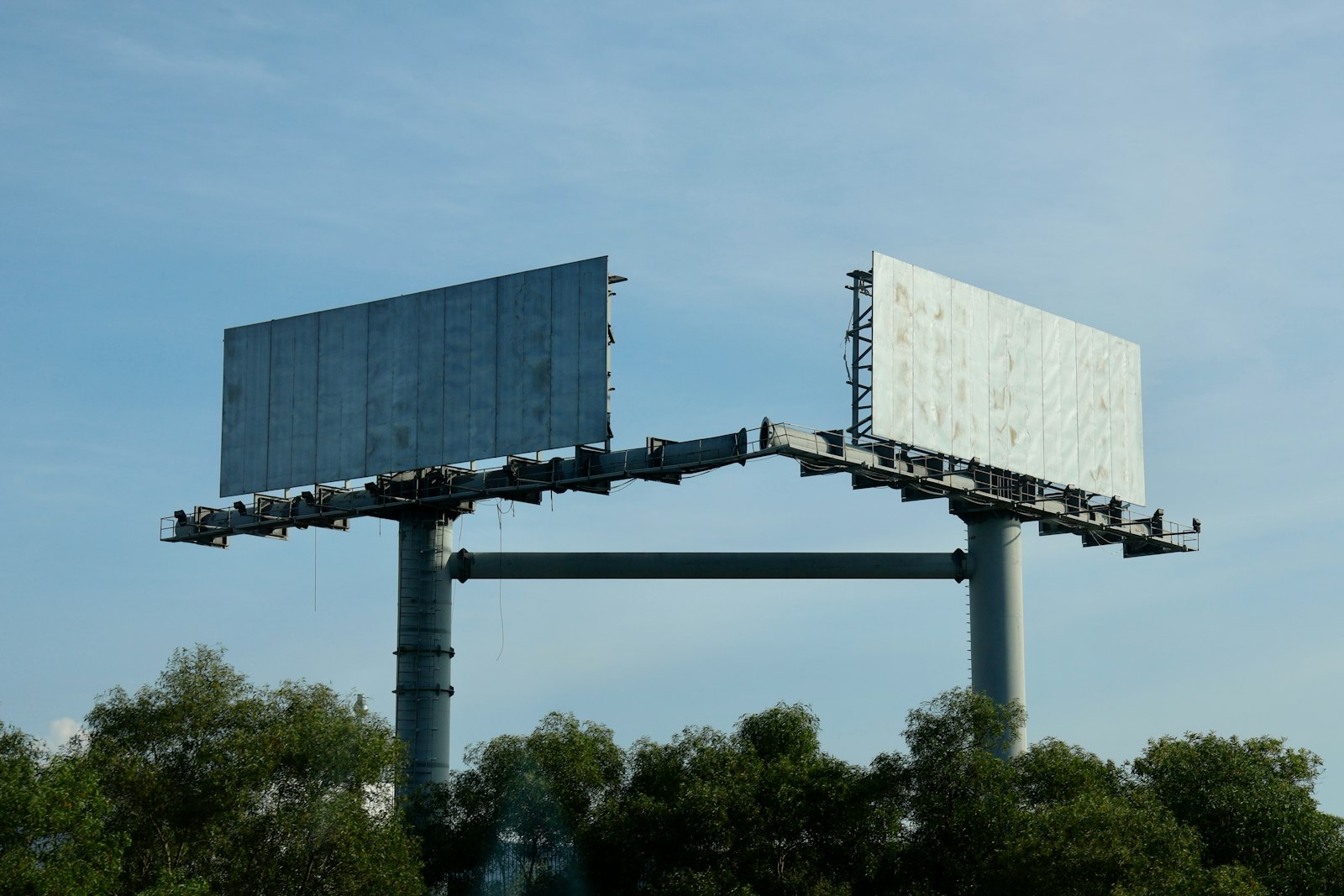
Highway boards sit on some of the busiest roads in the country — Malaysia's major expressways carry huge daily traffic, with the Federal Highway alone reported to carry around 1.8 million vehicles a day and the LDP around 450,000. That scale reaches a wide, mixed audience of commuters, travellers and logistics traffic all at once. A roadside billboard works differently: placed beside a specific road or junction in a specific town, it reaches a smaller but far more repeatable local audience — the same residents, shoppers and commuters passing by every day.
Cost and flexibility
That reach comes at a price: highway sites are priced for the traffic they carry and sit well above roadside rates — see our guide to billboard costs in Malaysia for typical ranges. A roadside billboard is usually the more affordable entry point, which makes it easier to test a location, run a shorter promotion, or spread a modest budget across more than one town instead of committing it all to a single highway spot. Both can be booked on flexible terms, but roadside gives you more room to move a budget around.
Which should you choose?
If you're a national or regional brand launching something and want maximum reach fast, a highway board earns its cost. If you're a local business, a franchise outlet, or a brand promoting something in a specific neighbourhood, a roadside billboard usually does the job for less and builds the kind of repeat local recognition a highway board can't. Many campaigns use both: a highway board for broad awareness, paired with roadside boards near the actual point of sale to convert that awareness into a visit. Tell us your audience and budget and we'll recommend the mix that fits.