Published by Zachary Lim
The market is shifting toward digital
Malaysia's out-of-home and digital out-of-home (OOH/DOOH) market was estimated at around USD 221.97 million in 2026, on a path to roughly USD 293.67 million by 2031 — a compound annual growth rate near 5.76%. Within that, digital installations are reported to already account for a majority of new billboard sites going up, a clear shift from a market that was almost entirely static boards a decade ago.
What digital actually adds
A digital board can update creative without reprinting anything, run several advertisers on rotation, and change content by time of day. Programmatic buying — booking digital ad space in a similar way to online ads — is reported to already handle a large and growing share of digital billboard placements in Malaysia, which is starting to let smaller advertisers book shorter, more flexible slots than a traditional 6-to-12-month static contract.
Where static still wins
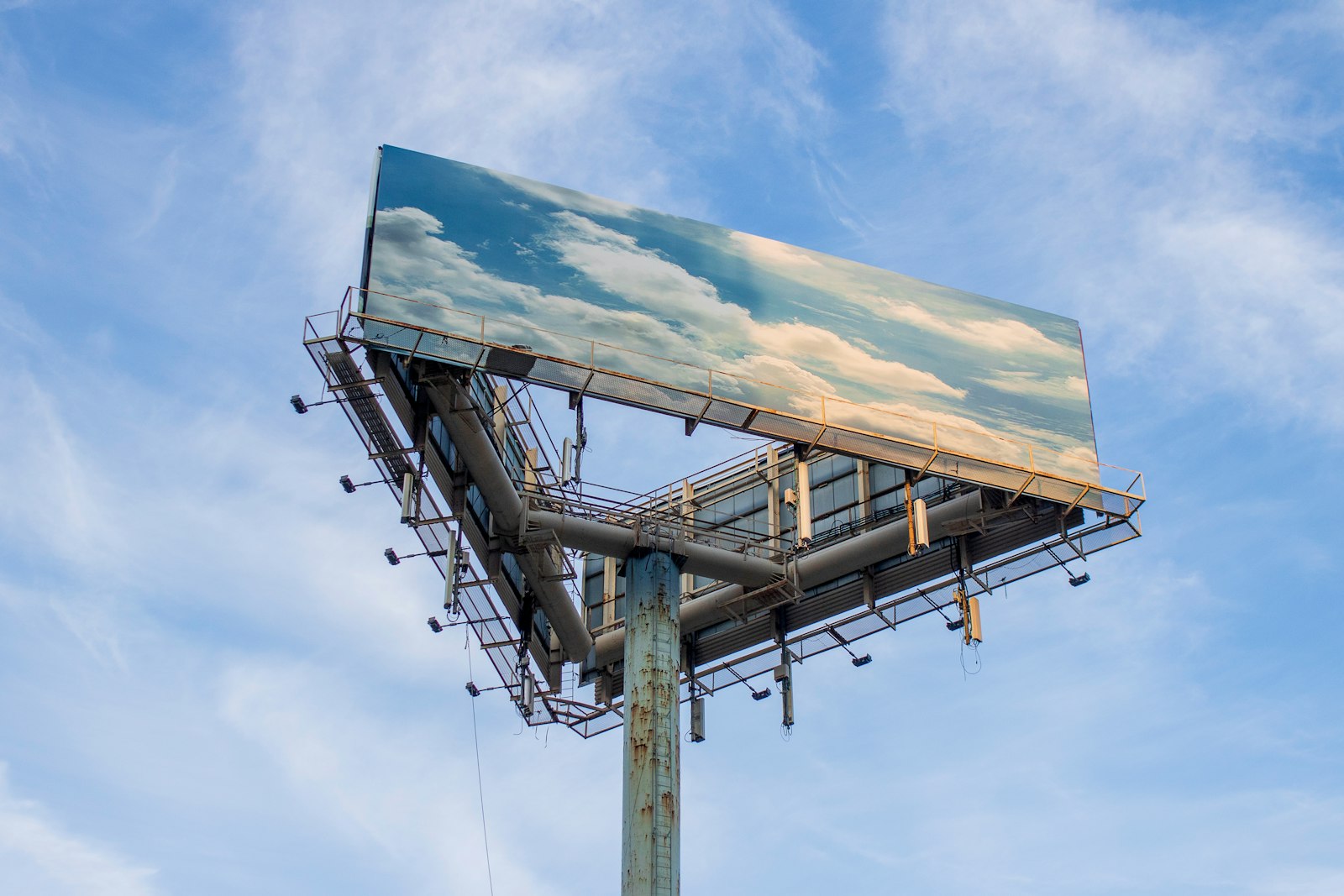
None of this makes static boards obsolete. A static board is usually cheaper per month, doesn't compete for attention with other advertisers sharing the same screen, and gives you one unmissable message instead of a rotating slot. For long-running brand visibility in a fixed location — a shopfront, a factory road, a long-term hoarding — static is often still the better and cheaper choice.
How to decide
The short version: if your message changes often, you're testing more than one creative, or you want to split a budget across several short bursts, digital is worth a look. If you want one strong, unmissable message running for months in one place, static usually still makes more sense. We can walk you through inventory of both types and the real cost difference for your specific campaign.